
From the judges' table, a landing is a score: steps, hops, balance checks, hands on the mat. Each one has its deduction. But when you've been on the other side — when you were the one landing — you learn to read something else in those same errors: the condition of the body making them.
Because a landing doesn't fail by chance. It fails because something — range, strength, reflex or confidence — wasn't enough to absorb it.
Four patterns that repeat
1. The stiff landing
Knees and hips that barely bend on contact. The impact the joints don't absorb doesn't disappear: it travels down, whole, into the ankle and up into the spine. It usually betrays fatigue, fear, or a lack of strength to brake the body under control.
2. The knees that cave in
The inward collapse (valgus) on weight acceptance. It speaks of hips that aren't doing their stabilizing job — and it distributes the impact in a way no joint appreciates.
3. The weight that falls behind
Landings that are systematically short, weight on the heels, steps backwards. Beyond the deduction, it suggests a jump preparation that ends too early — and ankles receiving the impact in their least protected position.
4. The asymmetry
The sign I care about most: a gymnast who always loads the same side, who subtly turns a foot to "protect" an ankle, who avoids landing on one leg. Bodies compensate in silence long before they complain out loud. Persistent asymmetry is, very often, an old injury that never fully closed.
The mat keeps a record: what wasn't recovered yesterday shows up today in the way you land — long before it hurts again.
What a coach (or a family) can do with this
- Watch landings during warm-up, not just in the routine: fatigue exaggerates the patterns, but baseline technique shows from the very first jump.
- Treat asymmetry as information, not as a quirk: ask, review the injury history, and when in doubt, consult a healthcare professional.
- Train the landing as a skill: give it dedicated minutes — ankle strength, mobility and proprioception included — instead of assuming it "comes out on its own".
None of this replaces a professional evaluation, and this article diagnoses no one. But it is an invitation to look differently: the landing isn't just the end of the element. It's the status report of the body that performed it.
Medical notice. This article is educational prevention content. It does not replace diagnosis or treatment by a healthcare professional. If you have pain, swelling or an active injury, consult a physician or licensed physical therapist.
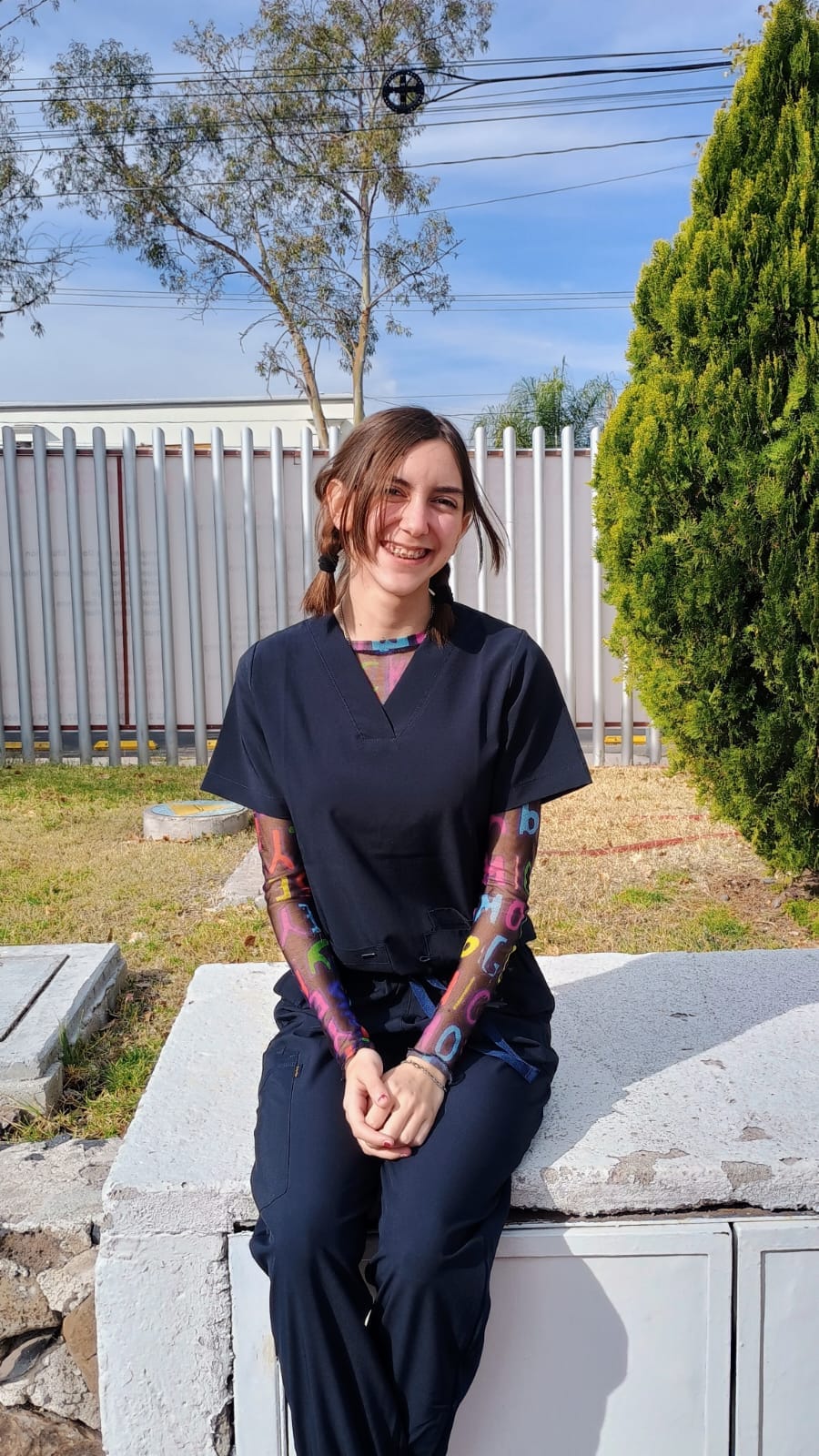 Daniela del Río
Competitive gymnast, active coach and certified national artistic gymnastics judge. Physical therapy degree in progress.
Daniela del Río
Competitive gymnast, active coach and certified national artistic gymnastics judge. Physical therapy degree in progress.
Keep learning